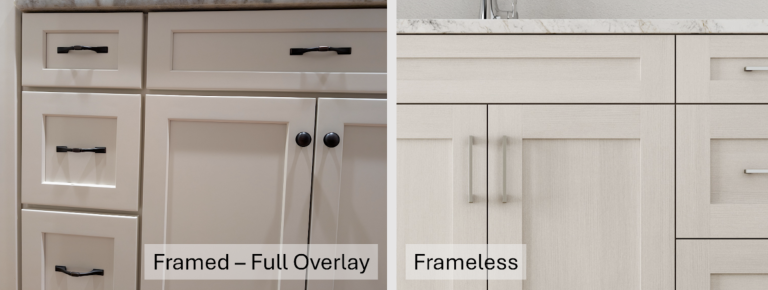
A Shaker kitchen is a cabinet design style characterized by recessed panel doors, straight edges, and functional simplicity. It originates from the 18th-century Shaker religious community in America, which was recognized for exceptional woodworking and a philosophy of utility over decoration.
Unlike Victorian or raised-panel cabinetry, Shaker kitchens emphasize durability and efficiency. Cabinetmakers typically used native hardwoods like maple, oak, or pine, which gave the furniture long-lasting strength. Today, this style adapts to both traditional farmhouses and modern minimalist interiors.
According to the National Kitchen & Bath Association ([year]), Shaker cabinets rank among the top three cabinet styles chosen in U.S. remodels, reflecting their broad and lasting appeal.
Shaker cabinets follow a standardized design system rooted in simplicity and craftsmanship. Their defining characteristics include:
Industry surveys, such as Houzz Kitchen Trends Study ([year]), confirm that white Shaker doors remain the most specified cabinet finish in North American remodels, highlighting their continued relevance in design.
Shaker kitchens take their name from the Shaker religious community, a Protestant sect that settled in America in the late 18th century. The word “Shaker” derives from the “Shaking Quakers”, referencing their dynamic style of worship.
Shakers became renowned for precise craftsmanship and a philosophy that prioritized honesty, simplicity, and utility in woodworking. Their furniture featured straight lines, balanced proportions, and minimal decoration, qualities that later defined the Shaker cabinet style.
Historians such as June Sprigg, author of Shaker Design: Out of This World, emphasize that Shaker artisans viewed furniture not as luxury, but as expressions of order and purpose. This approach directly influenced cabinetry, giving rise to what we now call Shaker kitchens.
Shaker kitchens remain popular because they balance timeless proportions with design adaptability. According to the National Kitchen & Bath Association (NKBA, [year]), Shaker-style cabinets are the most specified style in U.S. remodels, representing 61% of cabinet selections.
Key reasons driving popularity:
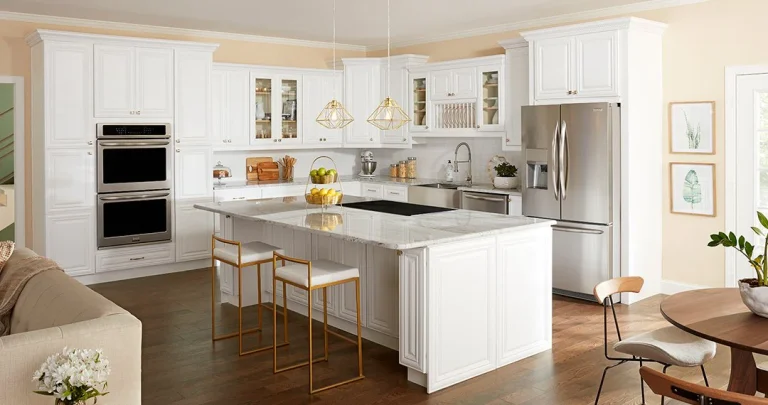
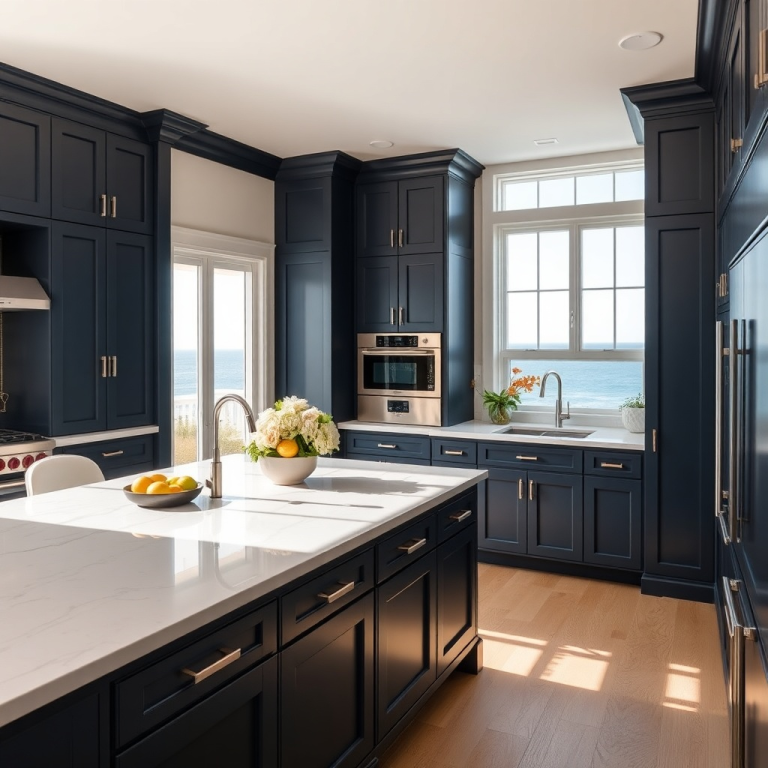
Example: A white Shaker kitchen with brass handles appeals to buyers seeking a classic look, while a navy version with matte black pulls attracts those seeking a contemporary edge. Designers often recommend Shaker frames because they adapt to both open-plan lofts and small apartments.
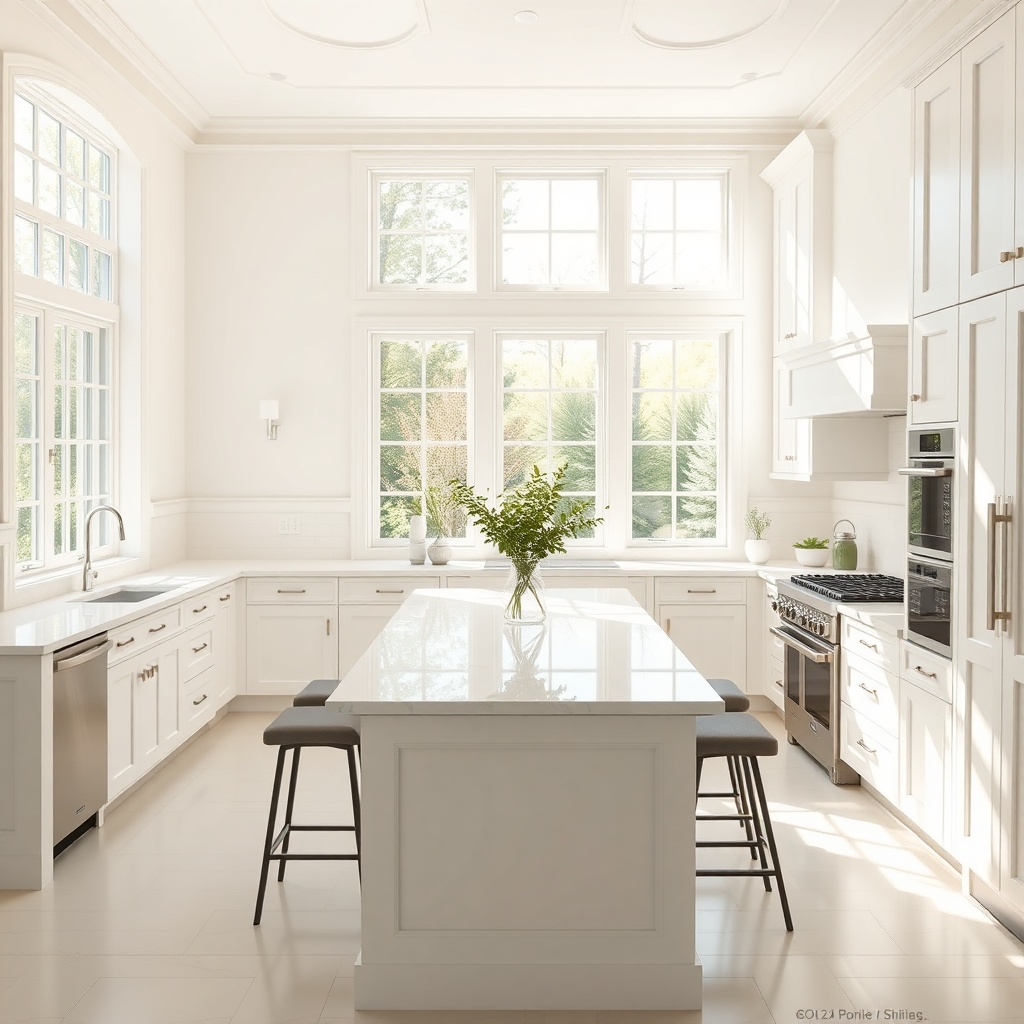
Shaker kitchens stand apart from slab and raised-panel designs through their balance of simplicity, durability, and versatility. Unlike slab doors, which are ultra-modern and flat, or raised-panel doors, which lean toward formality and ornamentation, Shaker doors maintain a transitional quality that adapts to many interiors.
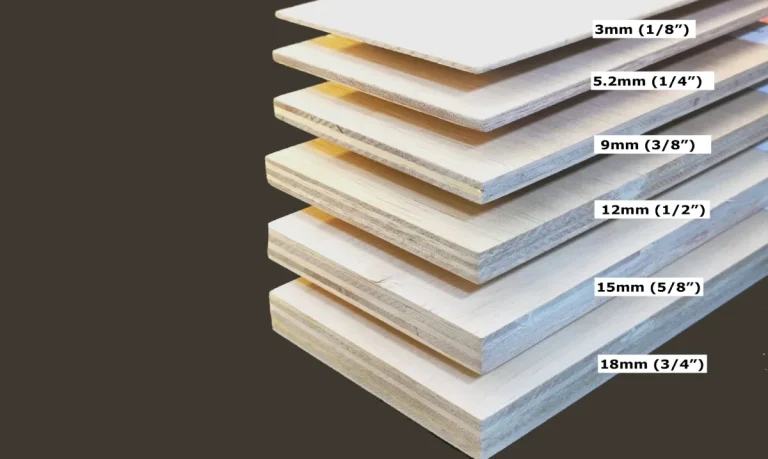
Material choices also differ. Shaker cabinets often use hardwoods such as maple or oak, while slab doors frequently employ laminates, MDF, or veneer for a seamless finish. Raised-panel cabinetry often appears in traditional homes and tends to involve more carving, moulding, and stained woods.
In terms of cost, slab cabinetry is usually more affordable due to simpler construction, Shaker sits in the mid-range with both stock and custom options, and raised-panel tends to be premium because of added detailing.
| Feature | Shaker Kitchens | Slab Kitchens | Raised Panel Kitchens |
|---|---|---|---|
| Door Design | 5-piece frame with recessed center | Flat, seamless surface | Central panel raised with detailing |
| Aesthetic | Transitional, timeless | Ultra-modern, sleek | Traditional, ornate |
| Common Materials | Maple, oak, birch, MDF | Laminate, veneer, MDF | Cherry, oak, walnut |
| Cost Range | Mid-range (stock to custom) | Budget to mid-range | Higher-end, custom work |
| Maintenance | Easy to clean, minimal grooves | Very easy, smooth surface | Harder to clean, detailed moulding |
| Best For | Homes needing flexible style | Contemporary kitchens, apartments | Formal, traditional interiors |
Shaker kitchens adapt well to a wide spectrum of colors because their simple geometry and recessed panels create a neutral backdrop. Designers often use color psychology to match cabinet tones with mood, lighting, and interior style.
According to the Houzz Kitchen Trends Study ([year]), white Shaker cabinets remain the most popular choice, but darker colors like navy and forest green have grown in demand, particularly in urban remodels and high-end homes. Neutral greys and natural wood tones continue to serve as timeless options in rustic or transitional spaces.
Popular Color Choices for Shaker Kitchens:
Designers often recommend combining two-tone schemes — for example, white upper cabinets with navy lowers — to balance lightness with contrast while keeping the kitchen visually grounded.
Hardware significantly changes the style expression of Shaker cabinets because the doors themselves remain simple and neutral. Choosing the right material and finish allows homeowners to steer the kitchen toward modern, traditional, or transitional aesthetics.
Designers often suggest aligning hardware finish with lighting and faucet materials to maintain visual consistency. Durability also matters: metals like brass and stainless steel resist corrosion, while matte finishes hide fingerprints better than polished ones.
Recommended Hardware Options for Shaker Cabinets:
According to the NKBA Kitchen Trends Report ([year]), matte black and brushed nickel lead in popularity, reflecting a shift toward minimalist hardware with strong functional durability.
Shaker kitchens are both modern and traditional. Their recessed-panel doors provide a classic base, while colors and hardware determine the style direction. According to Houzz [year], Shaker is the most specified style across all design categories.
Shaker cabinets range from budget-friendly stock ($70–$120 per linear foot) to custom hardwood builds ($500+ per linear foot). Costs vary by material: MDF lowers price, while maple, oak, and cherry increase it.
Yes. Their flat frames and minimal detailing reduce dust buildup. In surveys by the National Kitchen & Bath Association ([year]), easy maintenance ranked among the top three reasons homeowners chose Shaker doors.
Yes. Real estate data from Zillow (year) shows kitchens with white Shaker cabinets appear in over 70% of “move-in ready” listings, highlighting strong buyer appeal.
Shaker cabinets are ideal for refinishing. Solid hardwood doors can be sanded and repainted, while MDF versions can accept paint but lack long-term refinishing durability.
Shaker kitchens offer the perfect balance of durability, simplicity, and timeless elegance. Whether painted white for a classic look or navy for a modern update, Shaker cabinets adapt to any kitchen design and hold their value for years.
🔨 Upgrade your home with premium Shaker cabinets from USKitchenCabinet.com explore expert-crafted options, enjoy free design support, and get fast nationwide delivery.