
- (818) 835-5888
- uskitchencabinet@gmail.com
- Free Design
 Skip to content

When choosing plywood for your construction or DIY projects, you may encounter terms like ACX plywood and BCX plywood. These refer to specific grades and types of plywood that offer distinct characteristics. Understanding these differences helps you select the right plywood based on your project needs, durability requirements, and budget.
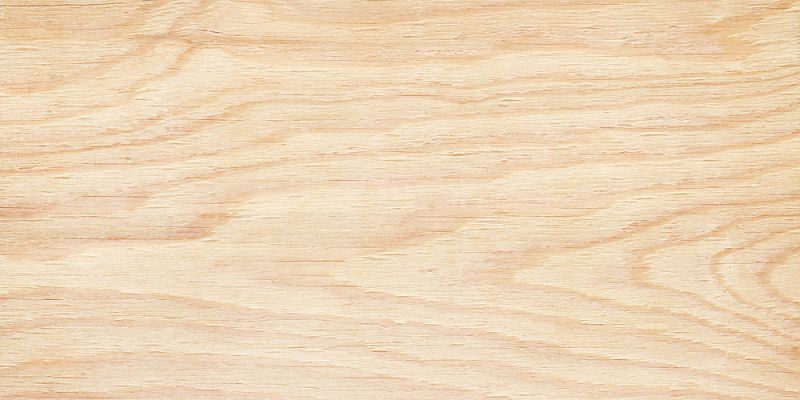
ACX plywood is a type of exterior-grade plywood that features a face veneer (A-grade) and a back veneer (C-grade), with X indicating its exterior rating. The A veneer is smooth and free of defects, making it ideal for visible surfaces, while the C veneer may have more imperfections like knots and splits.
BCX plywood is another exterior-grade plywood, but it has B-grade face veneers and C-grade back veneers, with X indicating its exterior rating. While similar to ACX plywood, BCX plywood typically has a slightly lower-quality face veneer compared to ACX.
While both ACX plywood and BCX plywood are designed for exterior use, they have notable differences in quality, appearance, and common applications.
| Feature | ACX Plywood | BCX Plywood |
|---|---|---|
| Face Quality | A-grade: Smooth, clean, and defect-free | B-grade: Some imperfections, small knots |
| Back Quality | C-grade: Some knots, but structurally sound | C-grade: Similar imperfections as ACX |
| Durability | Suitable for exterior, weather-resistant | Suitable for exterior, weather-resistant |
| Common Uses | Visible surfaces, siding, furniture | Subfloors, roof decking, structural uses |
| Price | Generally higher due to better finish | More affordable due to lower face quality |
Both ACX plywood and BCX plywood are suitable for outdoor projects, but the right choice depends on your specific needs:
While ACX plywood is designed for exterior use, it can still be used indoors for certain applications, especially where a high-quality finish is desired. ACX plywood’s smooth, clean face makes it perfect for interior applications like cabinetmaking, paneling, or furniture, though it’s not necessary to use exterior-rated plywood for purely indoor projects unless moisture resistance is a concern.
Yes, BCX plywood can be painted, but the results may not be as smooth as ACX. The B-grade face may have more imperfections, which could affect the final appearance. However, BCX is still an excellent choice for structural projects where appearance isn’t as critical, such as subflooring or roof sheathing. If painting is essential, consider sanding the surface to smooth it out before applying paint.
In general, ACX plywood is more expensive than BCX plywood due to its higher-quality A-grade face and more refined appearance. If you’re working on a budget or need plywood for structural or hidden applications, BCX plywood is a more affordable option. However, if the finished surface is important or needs to withstand harsh weather, ACX plywood might be worth the extra cost.
ACX plywood and BCX plywood are both high-quality, exterior-rated options, but they are designed for different uses. ACX plywood offers a smoother, more polished finish and is ideal for visible applications. BCX plywood, on the other hand, is a more affordable option for structural or hidden uses. Understanding these differences ensures you select the right plywood for your project, whether it’s for exterior siding, furniture, or roof decking.
Learn More About US Kitchen Cabinets Plywoods




